


 Out on the bay, the wind has opinions and the water doesn’t negotiate. But when the rockfish are schooling and the rods start bending, you remember exactly why you’re there. The Chesapeake has a way of carving stories into the people who chase its treasures—and no story sings louder than the fight of a striped bass at dawn.
 Out on the bay, the wind has opinions and the water doesn’t negotiate. But when the rockfish are schooling and the rods start bending, you remember exactly why you’re there. The Chesapeake has a way of carving stories into the people who chase its treasures—and no story sings louder than the fight of a
 Rockfish are a coveted recourse of the Chesapeake. With recreational tournaments surrounding the species and area restaurants bringing in seafood lovers in drones when they are able to offer locally-caught rock on special, there’s a reason why anglers wait all year long for the season.
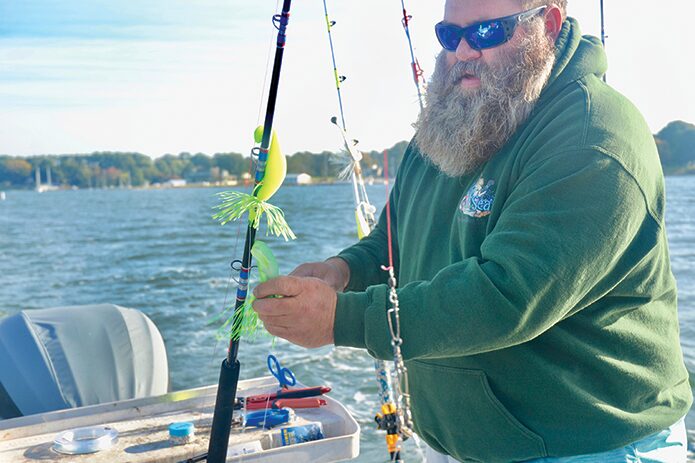
No boat? No need to fret. Captain Daniel “Bull” Kurdziel with Tip-Sea Charters has what it takes to ensure a true Chesapeake Bay rockfishing experience. All you need is some warm layers, sunglasses and a ready-to-fish mindset. As for the rods, bait and expertise, Captain Bull has that all covered.
Originally from Howard County, Maryland, Captain Bull has long been a steward of the Chesapeake Bay and its waterways. After visiting his grandparents for years in Richmond County on Lancaster Creek, he ultimately relocated to the Northern Neck full time to enjoy the waterways in 2001.
In 2023, Bull decided to take his knowledge and love of the water and turn it into a career, and thus Tip-Sea Charters was born. Specializing in cobia, redfish, mackerel, trout, and of course rockfish, Bull’s charters are tailored specifically for each guest and their goals for any given day.
“They say when you do what you love you never work a day in your life,” Bull said.
Based at Windmill Point Marina on the Rappahannock as well as Tides Inn on Carter Creek, Bull offers quick access to explore the Chesapeake Bay and its watershed.
When signing up for a charter fishing experience, no two trips are alike. When it comes to rockfishing, regardless of the winter or spring season, there are several factors to consider when determining a course of action for landing your perfect catch.
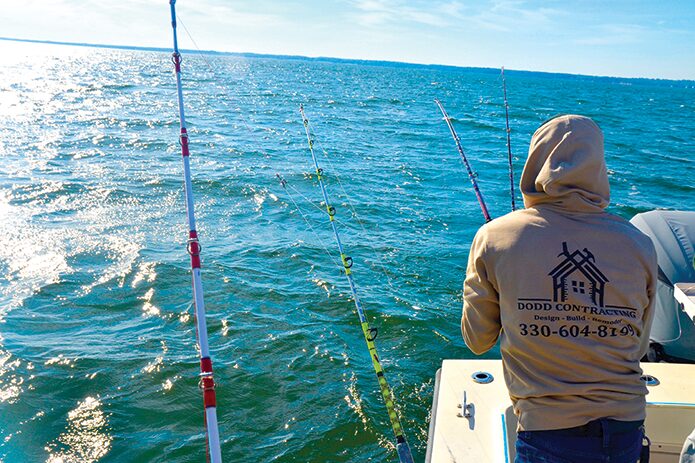
When rockfishing, anglers have a couple different strategies to choose. Some may choose to troll—an active approach that involves slowly dragging some fishing lines with lures and bait through the water from the back of a moving boat. Trolling allows the bait to appear more realistic to fish. Additionally, trolling allows for a fisherman to better adjust speed and depth of the bait to more accurately target specific species of fish. It also is beneficial in the sense that you can cover much more ground by trolling as opposed to casting a line.
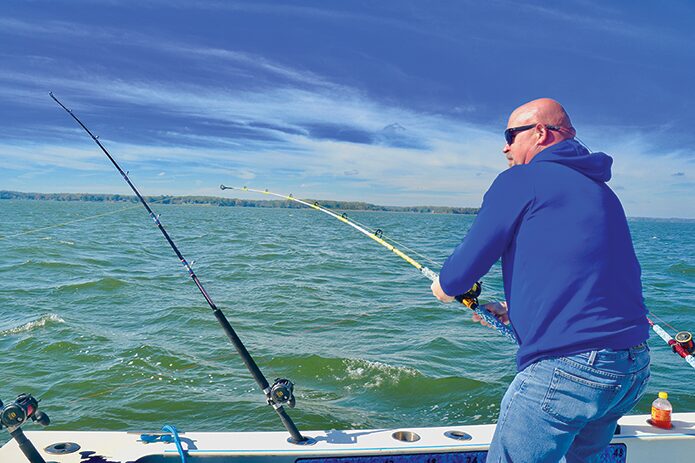
The more traditional method of casting a line has its advantages, too. For instance, casting allows an angler to target more specific spots like shallow areas or space closer to structures and habitats. Plus, you don’t necessarily need a boat to drop a line, either.
Both methods can lead to an impressive catch, however, sometimes one method is preferred to the other depending on a series of conditions.
According to Bull, trolling may not be the ideal tactic in the earlier parts of the fall and winter season, which runs from October 4-December 31 in 2025, due to the warmer water temperatures. When the water becomes cooler in temperature, Bull said, is when they begin to swim more in schools, which makes for better luck with trolling.
When the waters are still a bit on the warm side, they’re more likely to be around structures and often shallower waters. This is a good time to cast a line from a dock, or around some banks closer to the shore.
By the time Thanksgiving rolls around, Bull said is when you can begin to expect cooler temperatures. That’s when trolling becomes more popular. They will typically school together in water temperatures around 50-60 degrees, he said.
As for bait, rockfish tend to respond differently for each season, too. Bull said using live bait can often yield a positive result. In the fall, Bull said he likes using eels and spot as bait. It can also be beneficial using live bait when casting near docks as opposed to lures as well.
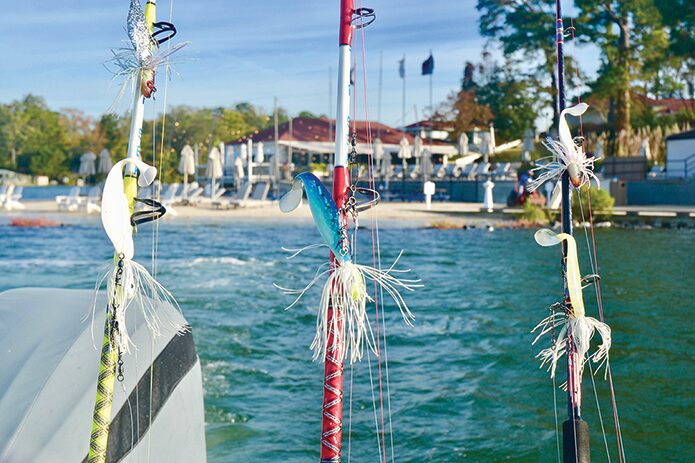
When using artificial bait, however, he said his preferred lures imitate menhaden, not just in their appearance, but how they move through the water.
“They’re actually pretty stupid fish. Put just about anything in front of their face and they’re gonna take it,” Bull said.
Rockfishing isn’t rocket science, but a process of trial and error, he noted.
“They’re a sport fish, so they often bite on reaction,” he said.
While some people swear by specific color lures, his philosophy is that every day is different on the water, and that techniques should reflect that.
“I like to just see what works best for me on any given day. I’ll often use lighter colored bait for lighter waters and darker bait for darker waters,” he said.
Another key aspect to keep in mind when planning on going out to catch rock is the tides.
“Being out there right at a tide change can often lead to a successful day of fishing,” Bull said.
Spotting changes in the currents can also provide some insight on the fish’s habits and feeding patterns. For Bull, he said he notices most success with an outgoing tide.
Outgoing tides are often ideal for fishing because they carry baitfish and crustaceans out of estuaries and lead them to a more concentrated area where they can be more easily ambushed by a predator.
When out on a trip, Bull says he’ll instruct his passengers to keep an eye out for flocks of birds circling a particular area. That signifies that there’s bait in the area, and where there is bait, rockfish are not far behind.
“I always tell people to keep their heads on a swivel,” he said.
Like all charter boat captains, Bull pairs his expertise with radar equipment to spot schools of fish, too.
“If you have a depth finder, set your bait accordingly,” he said.
His years of experience finding honey holes paired with his crafted technique and understanding of the cycles of the Chesapeake Bay and its rivers make for promising outcomes for anyone looking to catch one of the Bay’s tastiest resources.
There’s arguably no better way to enjoy the area’s most precious and valuable resource than taking in all its beauty by boat with family and friends.
“It’s a beautiful day, you’re in the Northern Neck, where else would you want to be right now?” he said.
After helping you land your catch, he’ll filet the meat for you to take on home and cook up a tasty supper featuring your fresh catch.
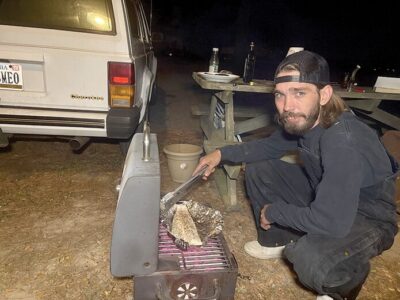
When cooked, rockfish has a mild, slightly sweet flavor. With a firm yet flaky texture, it’s very versatile and absorbs flavors well. Thanks to its thickness, it can be cooked a number of ways, like grilling, baking or frying.
“I’m a big fan of adding some rockfish to my butter,” Bull said.
Rockfish has great flavor on its own and should be enhanced rather than over-complicated. Some salt, pepper, lemon and butter can go a long way. It’s a versatile fish, so it pairs nicely with crabmeat for an imperial, goes well in a fisherman’s stew, and is a killer option for some fish tacos.
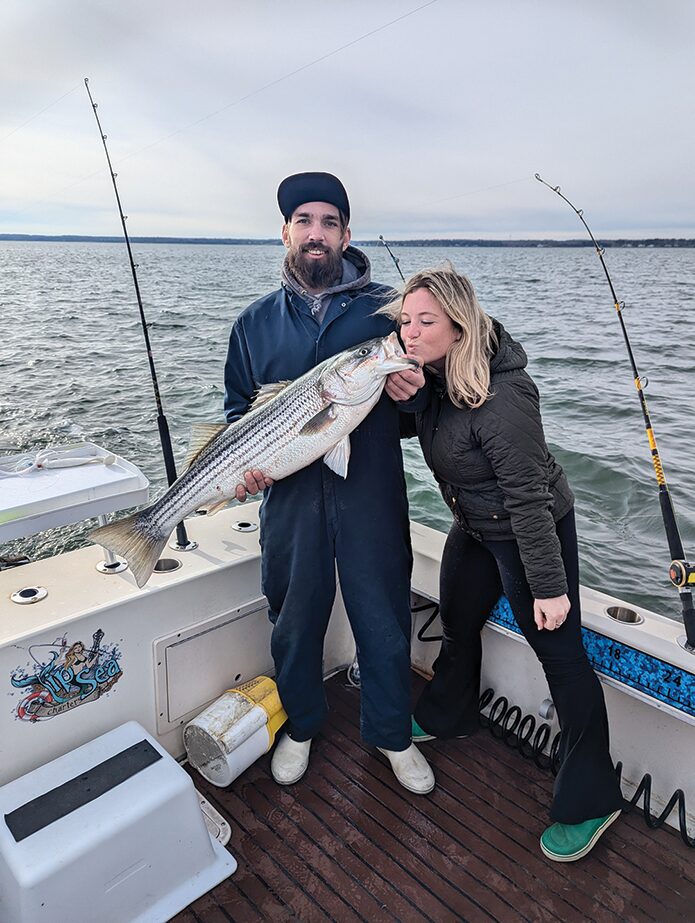
With the winter season closing out at the end of the year and the spring season typically beginning in mid-May in Virginia, time to get your rockfish-fix is limited. Whether you’re a seasoned angler or someone seeking the experience for the first time, the dichotomy of exhilaration from reeling in the delicacy with the peace of utilizing nature’s bounty is celebrated in the Chesapeake Bay.
As the saying goes, even a bad day on the water is better than a good day on land. Wet a line, reel in a fish, and enjoy!
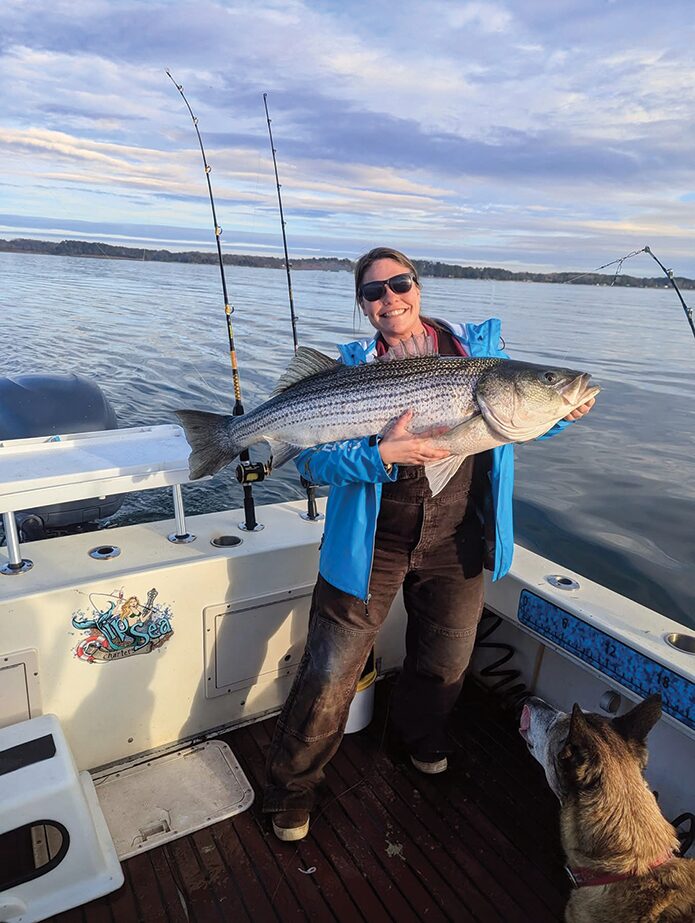
Rockfish Regulations
Each year the Virginia Department of Wildlife Resources and the Virginia Marine Resources Commission determine rules and regulations surrounding fish. In an effort to protect the bay fishery, regulations on quantity, size and when you can keep striped bass are put in place each year.
Season: October 4-December 31. Spring Season 2026 has yet to be determined, however, it typically runs from mid-May through mid-June.
Size Limit: 19-24 inches.
Bag Limit: One fish per day, per person.
Anglers must carry a saltwater fishing license and must use non-offset circle hooks when using live or processed bait.
Preparing Rockfish with Chef Bryan Byrd
Rockfish is a mild, sweet, versatile fish. Its thick, flaky yet firm texture allows for creativity in the kitchen, but doesn’t demand it. Its flavor on its own is the star of the show, and should be enhanced rather than overpowered.
Chef Bryan Byrd of Dredge in Irvington enjoys pairing the flavorful fish with simple recipes that allow for the fish’s taste to be the center of the show.
“Simplicity is the best when it comes to rockfish,” Byrd said.
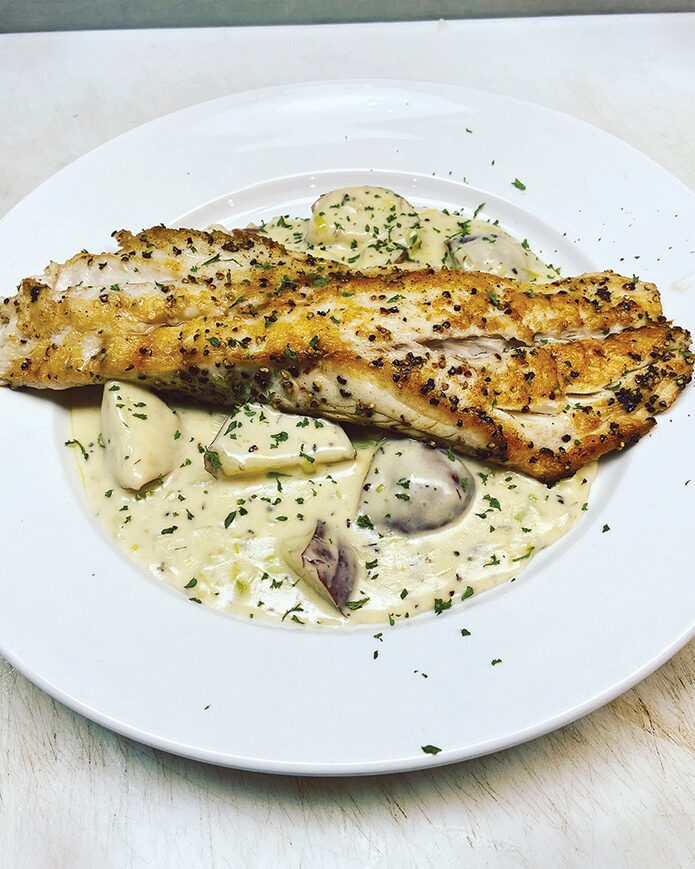
When preparing a local rockfish special, Byrd says he likes to tap into his Scottish and Irish roots. A family recipe of his late stepfather, Ray Reynolds, Byrd says his grilled rockfish over a potato and leek sauce is the perfect fall dish that showcases one of the bay’s best fish.
Byrd starts with leeks sautéed in heavy cream and butter, with diced red potatoes, and a simple blend of spices to create a savory, thick sauce for the grilled rockfish.
“The potatoes and leeks bring the rockfish to the forefront,” he said.
Byrd said it’s important to not over season the fish and to take care of it, because like any other fish it is delicate.