


By late November, when the last of the autumn leaves have blown across the fields and the air carries a cool winter nip, the rivers and creeks of Virginia’s Northern Neck take on a quieter rhythm. The summer bustle of marinas and sandbars fades, but the water never truly rests. For those who know where to look, winter is a season of discovery—striped bass actively migrating, oysters prime for harvesting, and marshes alive with wintering birds.
Rockfish and the Winter Angler’s Patience
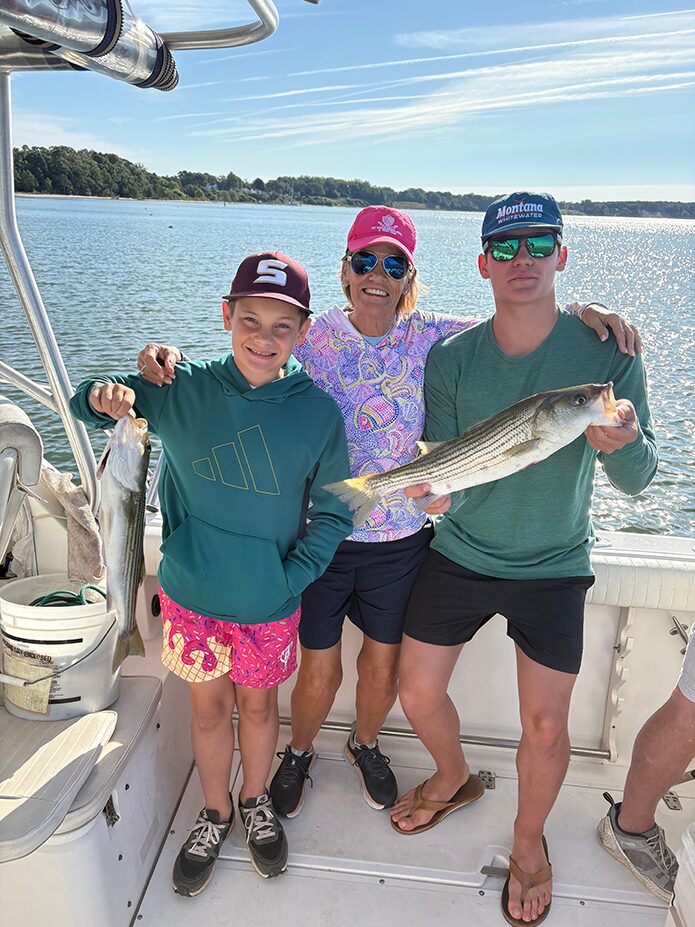
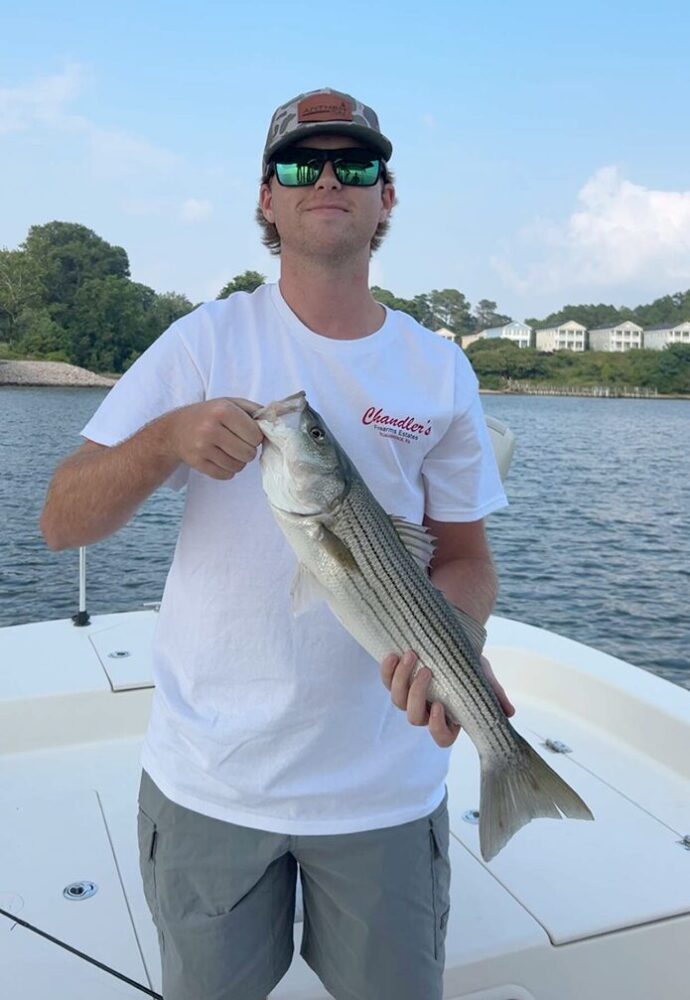
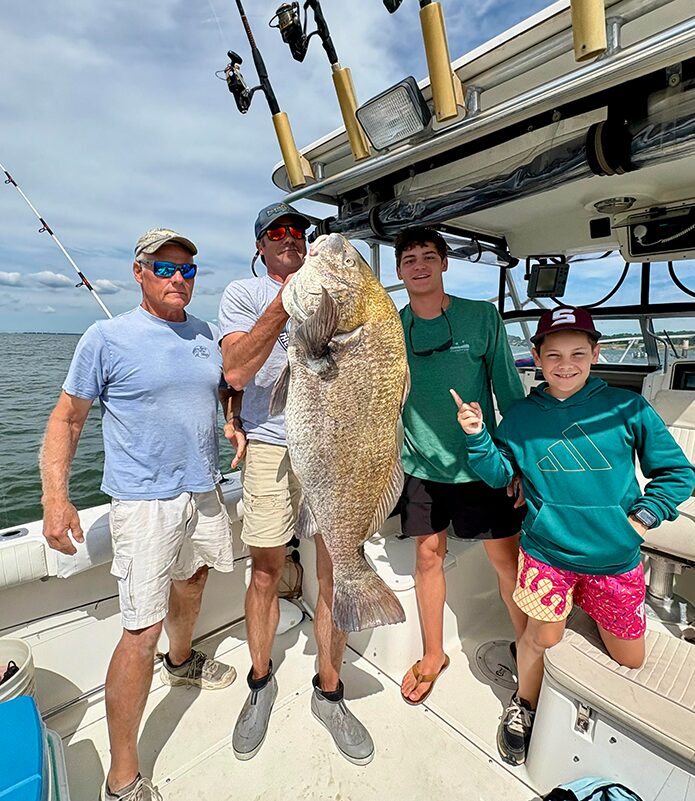
Ask any local waterman what keeps them on the water in December, and you’ll hear the same answer: striped bass! Rockfish, as they’re locally known, are the prize of the season. Cold weather is the catalyst to turn on this fishery. The rockfish feed heavy at the mouths of the Rappahannock and Potomac rivers and along the western shores in between.
On the rivers, anglers launch small boats at dawn, their breath rising in clouds as they jig bucktails and troll with artificial lures. Kayakers, too, find success in the shallows, where schools of rockfish chase baitfish stirred by the tide. The inshore bite may be slower, but either way the reward is awesome with the larger thick-bodied fish that fight with passion.
Meanwhile inland ponds, both small and large, offer their own quiet and peaceful environment that comes with its own challenges. Bass and crappie grow sluggish in cool water, but patient anglers with jigs or minnows can coax them from the depths. It’s not about numbers this time of year, it’s about the peace of being out there when no one else is.
Oystering: A Chesapeake Tradition
Winter is also oyster season, and for many in the Northern Neck, tonging from public grounds is more than recreation—it’s heritage. Along the Rappahannock and Corrotoman Rivers, and in stretches of the lower Potomac, recreational harvest is permitted under Virginia Marine Resources Commission guidelines.
Launching from a small boat or skiff, oystermen lower long-handled tongs into the water, pulling up the wire baskets heavy with shell and mud. It’s hard work, but deeply rewarding.
I remember oystering in the Little Wicomico River with Dandridge Cockrell of Ophelia decades ago. We used “nippers” which are a mini version of shaft tongs with a small three-tooth tong for harvesting in shallow water.
“There’s nothing like picking the oyster you want and nipping it off the bottom yourself,” said Cockrell, who grew up farming and harvesting from the waters. “It connects you to the past watermen who worked these waters.” His is missed, but the tradition carries on.
The cooler waters of winter yield oysters at their sweetest, their briny flavor sharpened by the season. Families gather to roast them over open fires, a tradition that warms both body and spirit.
Paddling into Winter’s Stillness
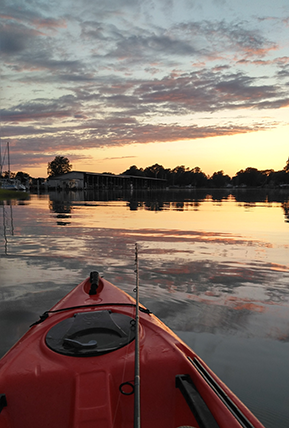
For those who prefer exploration to harvest, winter paddling offers unmatched peace. At Dameron Marsh and neighboring creeks, kayakers glide through natural areas, the marsh grass brown and brittle against the silver water. Bald eagles wheel overhead, great blue herons stalk the shallows, and flocks of sea ducks and Canada geese settle into quiet coves.
“In summer, you hear boats everywhere,” says Sarah Lewis, a naturalist who launches from Ingram Bay Marina. “But in winter, it’s just you and the birds. The silence is incredible.”
It is necessary to pick a good weather window, where winds and temperature are agreeable.
Hull Springs and the Dragon Run offer similar experiences, their tidal marshes rich with wildlife. With proper gear—layers of wool or synthetics, a waterproof shell, and a trusty life jacket—paddlers discover that winter’s chill sharpens the senses and deepens the experience.
Launching Points for Adventure
Local launch sites make these winter adventures accessible. Belle Isle State Park in Lancaster County offers easy access to the Rappahannock as do marinas and boat ramps found in that area. Windmill Point near White Stone opens the gateway to both inshore routes as well as the Chesapeake Bay. Westmoreland State Park provides Potomac River access with the added spectacle of winter eagle sightings. And for those eager to explore Dameron Marsh and its surrounding creeks, Ingram Bay Marina in Wicomico Church is an ideal starting point, welcoming small boats and kayaks alike.
Winter’s Quiet Rewards
Outdoor recreation in the Northern Neck during winter isn’t about speed or spectacle—it’s about slowing down, listening, and connecting. Whether jigging for rockfish, tonging oysters, or drifting through a marsh in a canoe, the season invites reflection. The water is colder, the air sharper, but the rewards are richer: solitude, tradition and a deeper bond with the land and water that define this region.
As this issue closes the year, remember that winter is not an ending, but a different kind of beginning. The rivers and bays are waiting, offering their gifts to those who step outside, breathe deeply, and embrace the season.
Until next time . . . fair winds
LOCAL CATCHES